
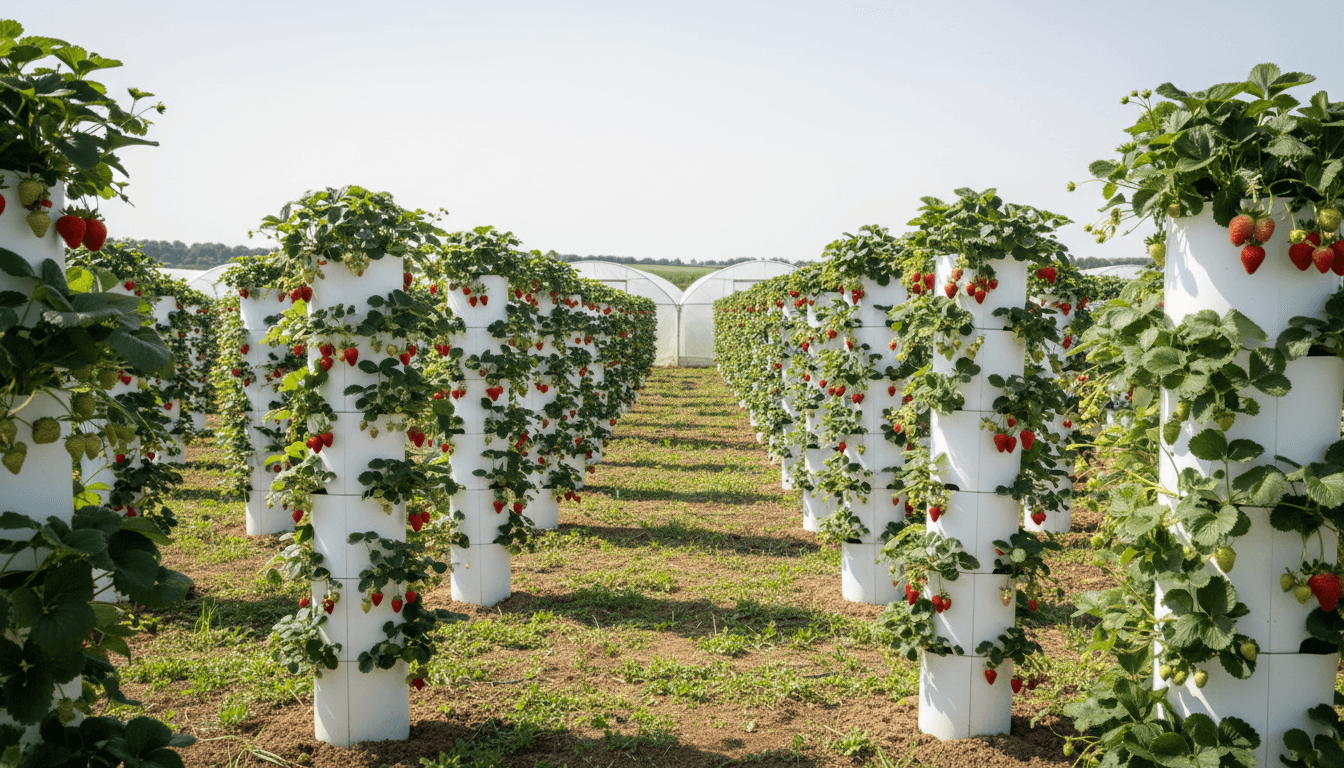
Grow strawberries outdoors with vertical towers
Learn how to maximize yield and minimize costs using natural sunlight and modern growing methods.
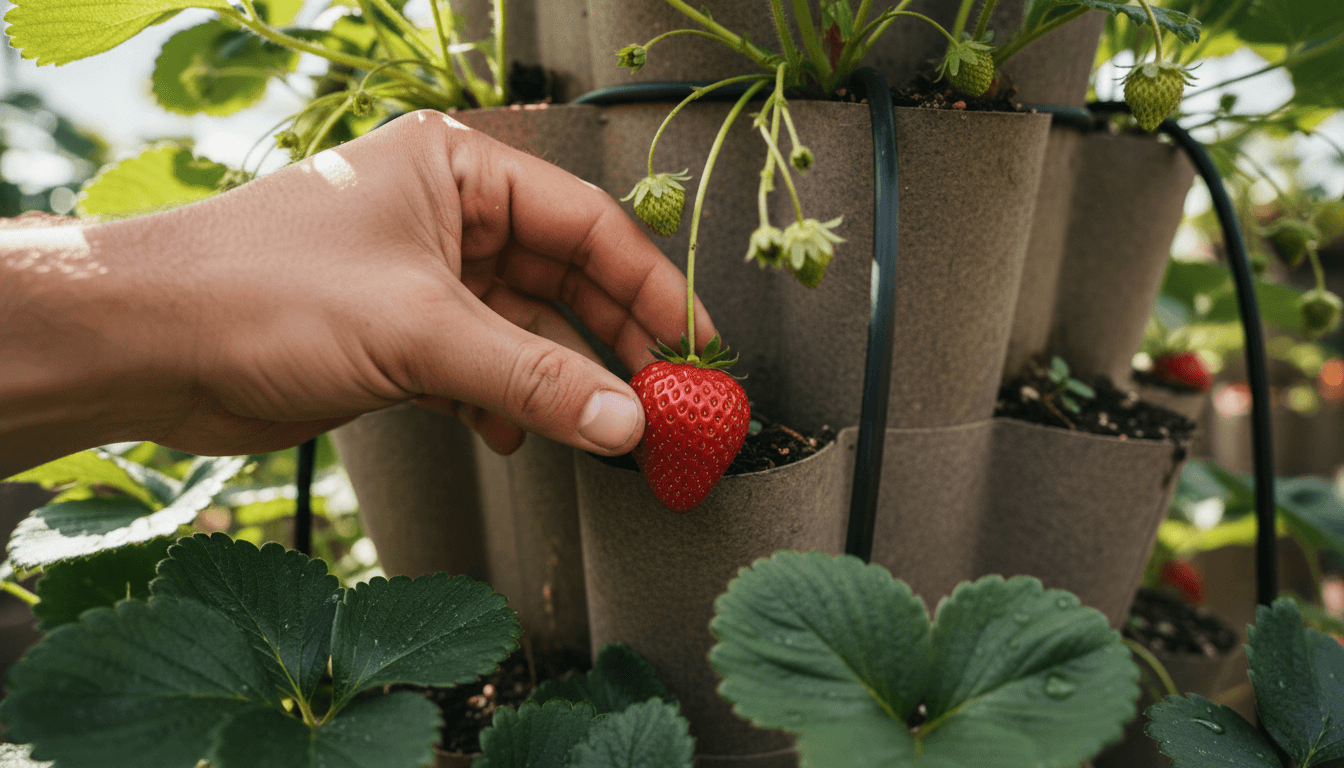
Grow strawberries outdoors year-round with vertical towers
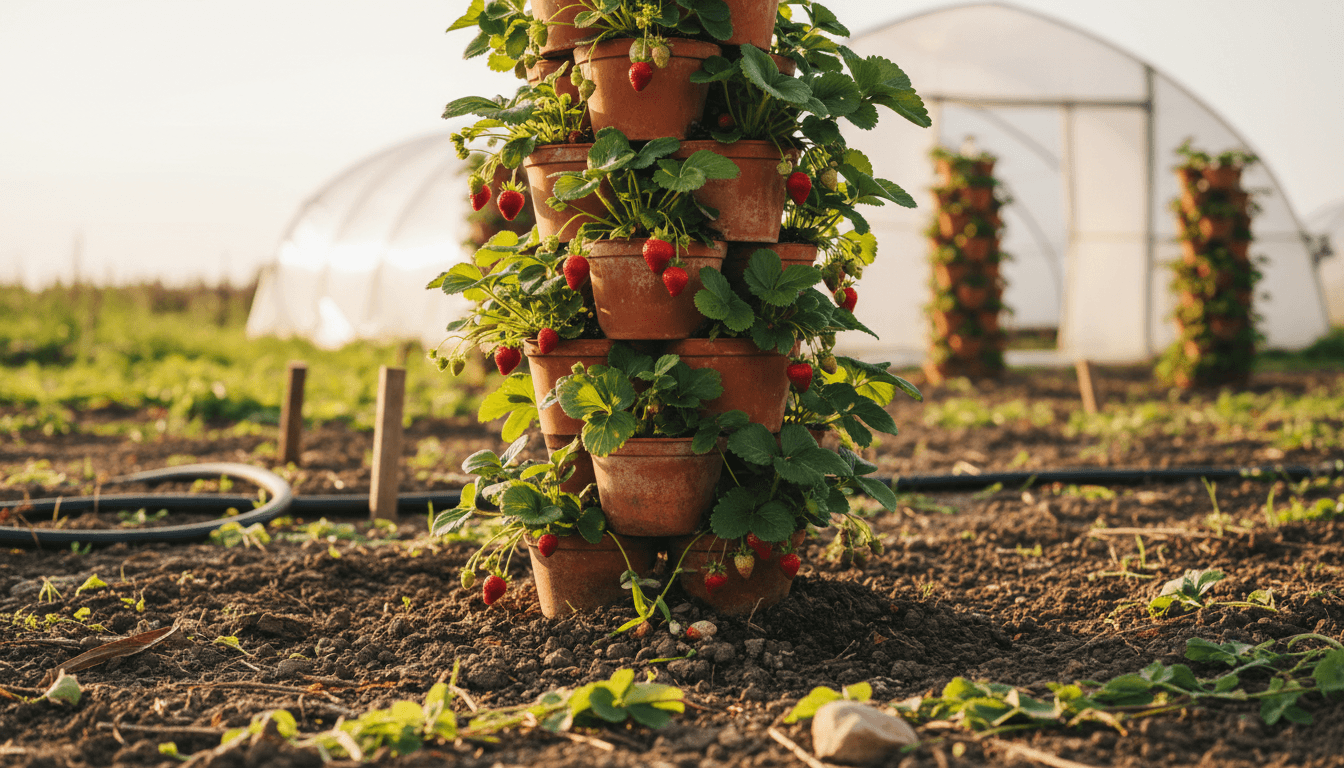
Growing strawberries outdoors in the UK works best from April to October. Vertical grow towers use natural sunlight and air circulation to reduce energy costs, while polytunnels extend your season and protect against frost. With day-neutral varieties, plants can produce for up to 40 weeks outdoors under a polytunnel. Natural pollinators such as bees handle pollination automatically — one of the key advantages over indoor systems. Ensure towers receive at least 6–8 hours of direct sunlight daily and rotate them regularly to avoid shaded plants producing sour or undersized fruit.
Why vertical towers outperform traditional rows
Discover how vertical grow towers solve common outdoor growing challenges while cutting costs and boosting yields.
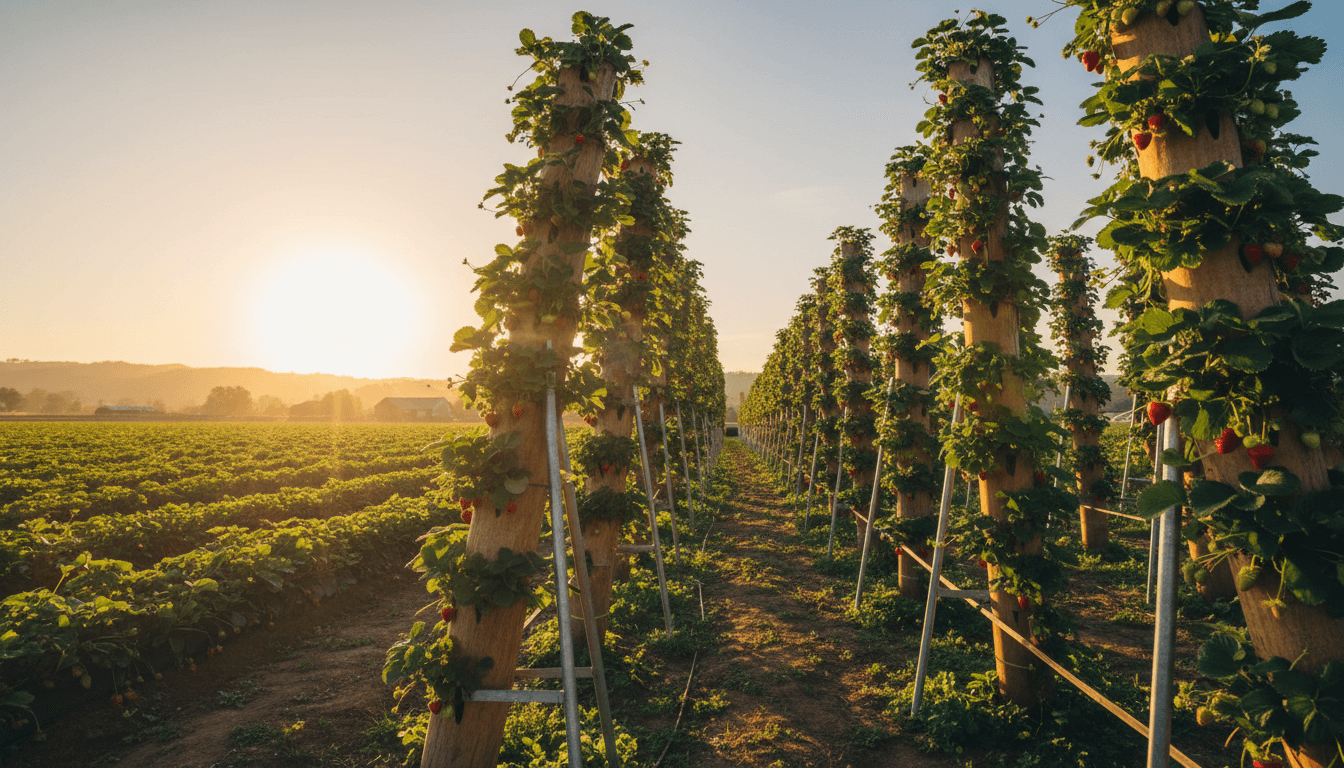
Natural sunlight maximized
Vertical design exposes more plant surface to direct sunlight throughout the day, boosting photosynthesis and ripening naturally.
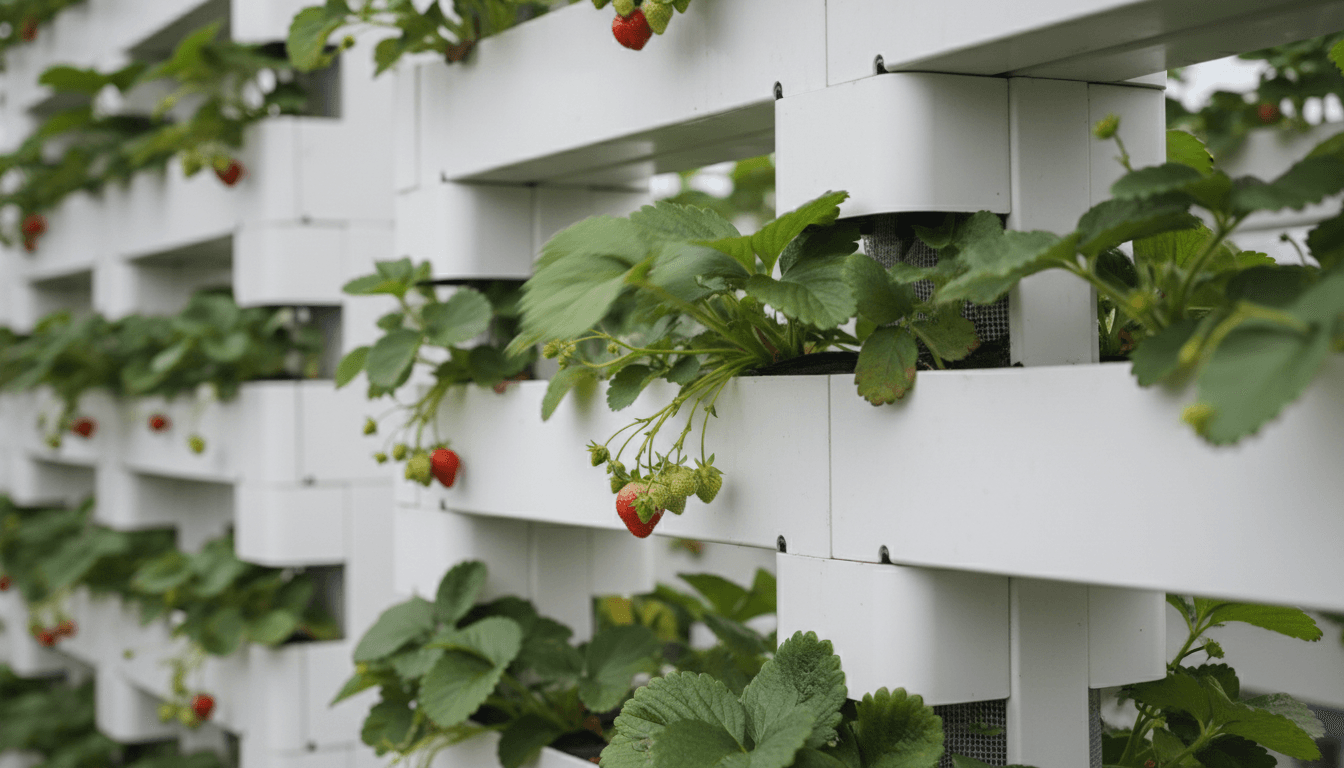
Superior air circulation
Vertical spacing allows wind and air to flow freely around plants, reducing disease and pest pressure without manual intervention.
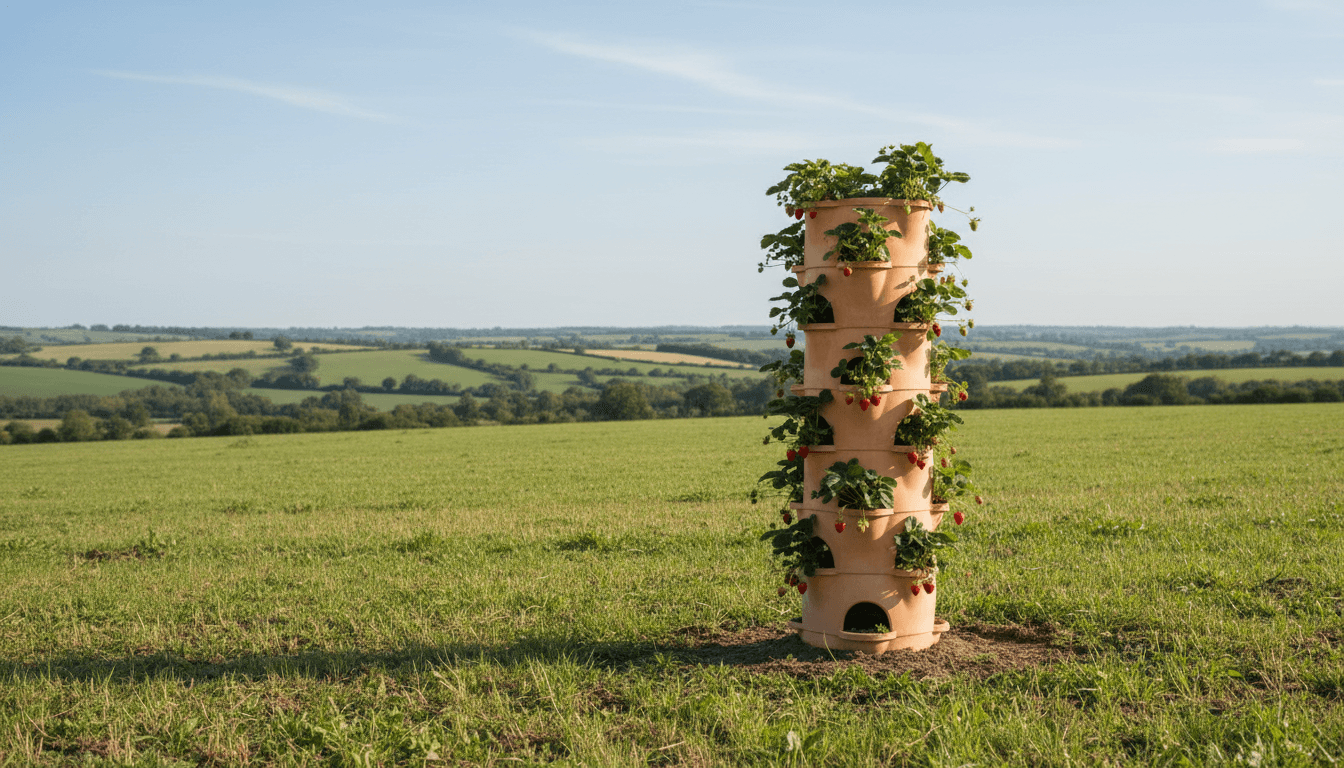
Energy costs cut dramatically
No artificial lighting or heating required in UK outdoor season. Vertical towers use natural elements, eliminating expensive climate control.
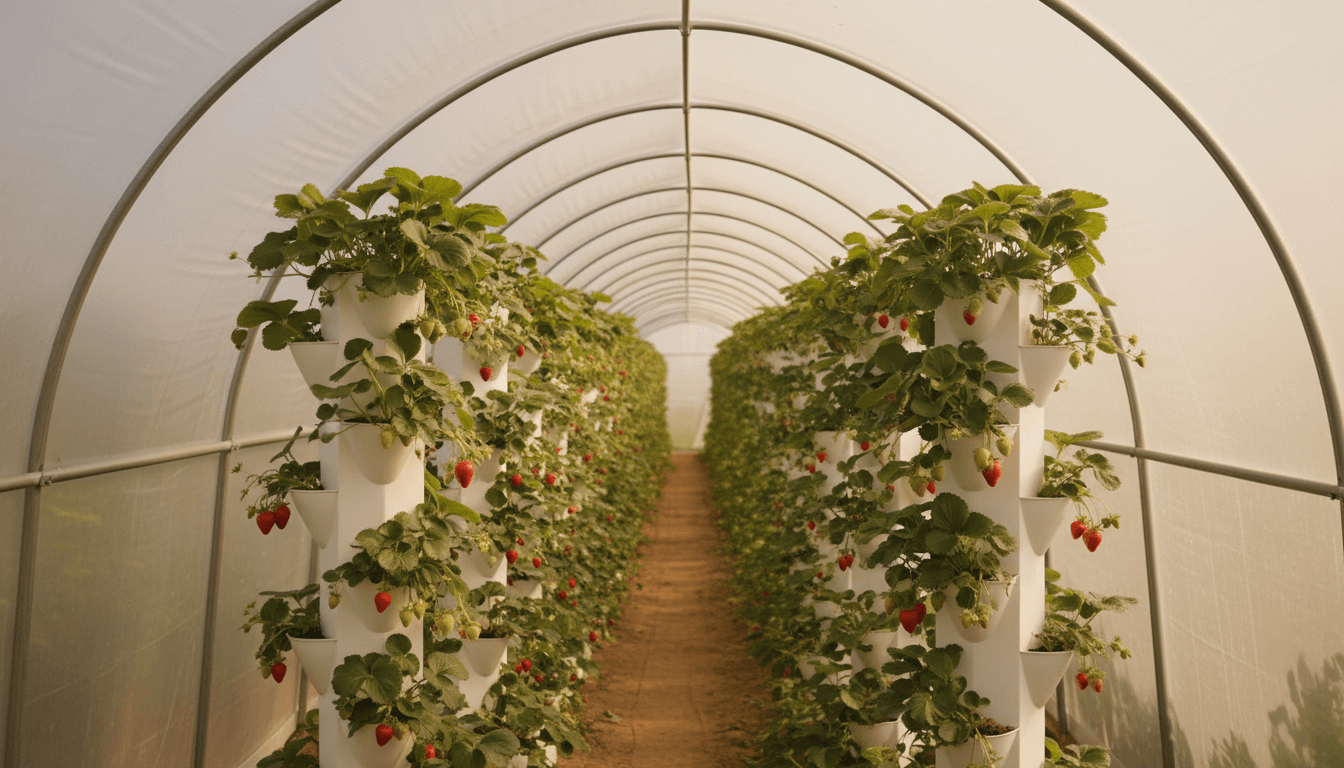
Polytunnel protection simplified
Towers fit easily inside polytunnels for extended seasons. Vertical layout means less ground footprint, more efficient shelter coverage.
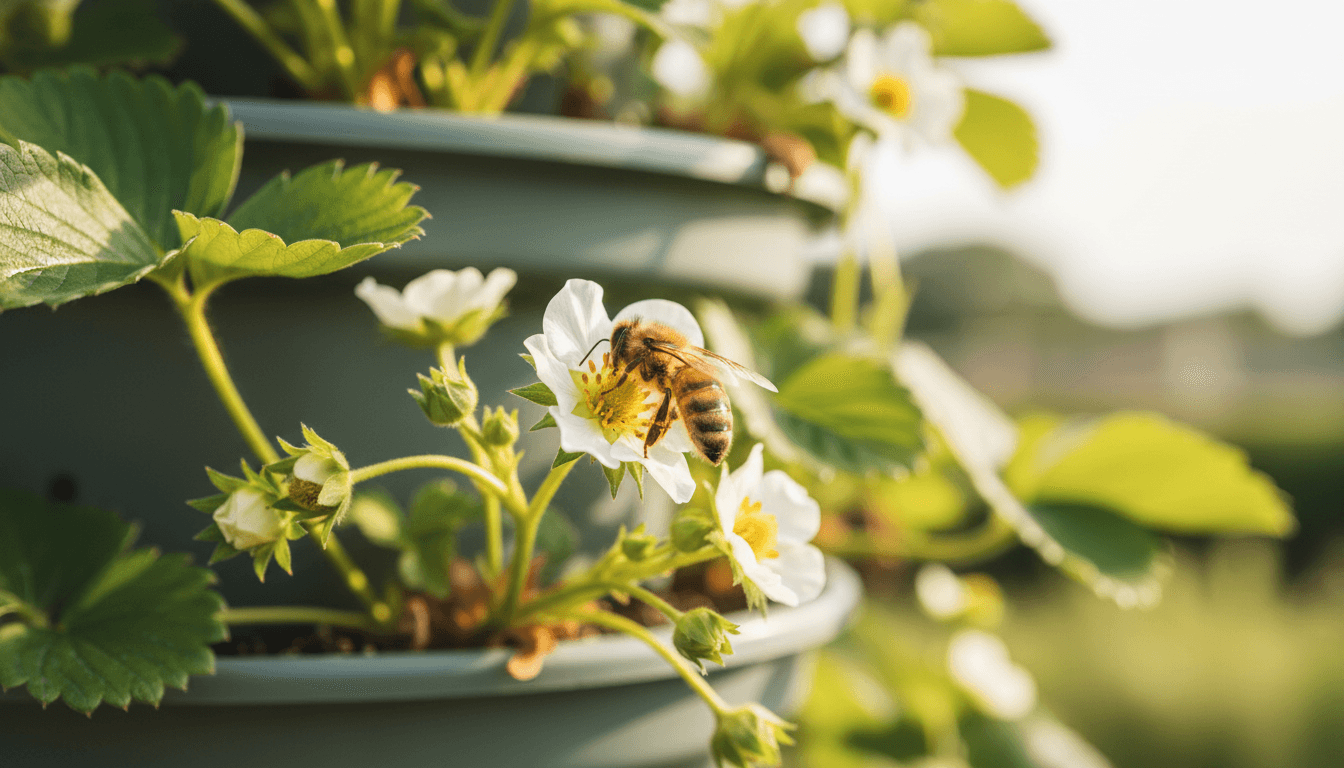
Natural pollination thrives
Open vertical design attracts bees and pollinators freely. Better airflow means stronger natural pollination without hand-pollinating effort.
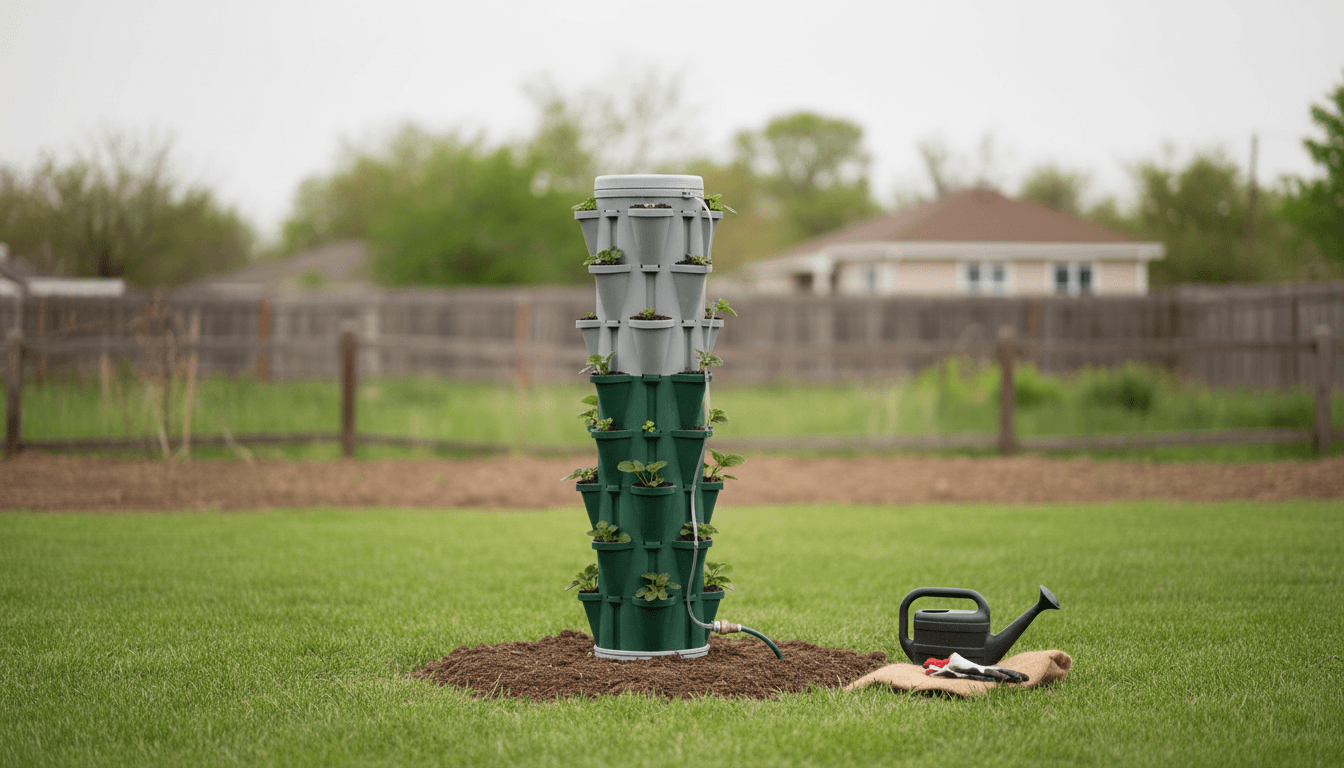
Setup costs significantly lower
Vertical towers require less land preparation, fewer infrastructure expenses, and quicker installation than traditional row systems.
Getting your vertical towers ready for outdoor growing
Start with location: choose a spot that gets at least 6–8 hours of direct sunlight daily and has shelter from strong winds. This is critical — plants on the shaded side of a static tower can produce sour or undersized fruit. Rotate your towers regularly so every plant gets its fair share of light. Prepare the ground, set up your towers, fill them with quality compost or your growing medium, and you're ready to plant. For outdoor UK growing, choose day-neutral or everbearing varieties that handle cooler temperatures. Elsanta and Honeoye are reliable British classics; for a more modern choice, Evie-2 performs well in outdoor vertical systems too. Water consistently — check moisture every few days during dry spells and use drip irrigation or soaker hoses where possible. Manage slugs and birds with netting. Once established, pick ripe berries every 48–72 hours for peak flavour and to encourage continued flowering. Expect harvests from June onwards, running through autumn with polytunnel protection.
Real returns from vertical growing
Dillon's Strawberry Farm has measured the impact of outdoor vertical towers. These metrics show what's possible when you grow smart.
40wks
Productive outdoor season
With polytunnel protection and day-neutral varieties, outdoor vertical towers can produce for up to 40 weeks per year in the UK.
85%
Lower energy use
Natural sunlight and rainfall reduce reliance on irrigation and artificial inputs compared to indoor systems.
48–72hrs
Harvest frequency
Once established, ripe strawberries are ready to pick every 48–72 hours — continuous production, not batch harvests.
30–100%
Yield boost vs horizontal beds
Vertical towers significantly increase yield per square metre compared to traditional horizontal growing layouts.
Growing outdoors in the UK
Find answers to common questions about vertical grow towers, weather, and varieties.
Can I grow strawberries outdoors year-round in the UK?
In Manchester's climate, active outdoor production runs from April to October without protection. With a polytunnel, you can extend this to around 40 weeks per year. Day-neutral varieties will keep flowering and fruiting throughout this window rather than producing just one large annual crop.
Do vertical grow towers need a polytunnel?
A polytunnel is optional but highly recommended. It protects plants from frost, heavy rain, and pests while creating a warmer microclimate that significantly extends your season. Without one, towers still produce well from May to September.
How do I protect vertical towers from UK frost?
Use a polytunnel for consistent frost protection. If growing without one, choose hardy UK varieties and plant in a sheltered spot. Wrap towers with fleece during late spring and early autumn when overnight frost risk is highest.
What strawberry varieties work best outdoors in Manchester?
Elsanta and Honeoye are reliable British classics that handle UK weather well. For a more modern choice, Evie-2 performs strongly in vertical systems and is less sensitive to heat spikes. Avoid tropical varieties that struggle with cooler temperatures and shorter daylight hours.
How much sunlight do outdoor strawberry towers need?
Aim for at least 6–8 hours of direct sunlight daily. Rotate your towers regularly — plants permanently on the shadow side can produce sour or undersized fruit. Position towers in open areas well away from buildings or trees that cast shade.
How do I manage pollination outdoors?
Outdoors, bees and other natural pollinators handle this for you — a major advantage over indoor growing. Avoid using insecticides near your towers that could harm visiting pollinators. If using a polytunnel, leave vents open during flowering to allow bee access.
Ready to get growing?
Reach out to Dillon's Strawberry Farm Ltd for guidance on setting up your first tower.
Help us grow more strawberries.
Sponsor a vertical grow tower and support sustainable UK farming. Your investment helps Dillon's Strawberry Farm expand production in Manchester.