Sustainability & Green Claims Statement
Dillon's Strawberry Farm is committed to transparency and environmental stewardship. This statement outlines the factual basis for our green claims in line with the UK CMA Green Claims Code and ASA guidance. Effective: 5 May 2026.
Introduction and Commitment
Dillon's Strawberry Farm integrates traditional agricultural expertise with modern vertical farming technology to provide a low-impact, high-efficiency food source for the United Kingdom. For the purposes of the CMA Green Claims Code, a 'green claim' includes any text, imagery, branding, symbols, or colour choices that imply environmental benefit — including on packaging, the website, social media, sales decks, invoices, and email marketing. We ensure our environmental claims are: truthful and accurate; clear and unambiguous; do not omit or hide material information; make fair and meaningful comparisons; consider the full life cycle (with clearly stated boundaries where they do not); and are substantiated with evidence.
Our Green Claims — Substantiated
Each claim we make is supported by operational records, monitoring data, and documented evidence — available to customers, partners, and regulators on request.
Solar Powered Farm
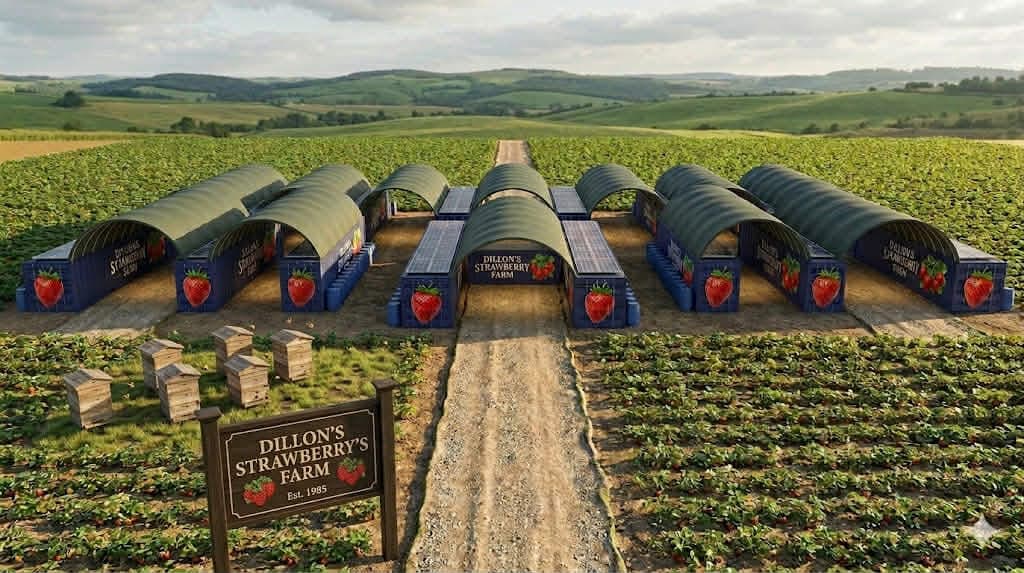
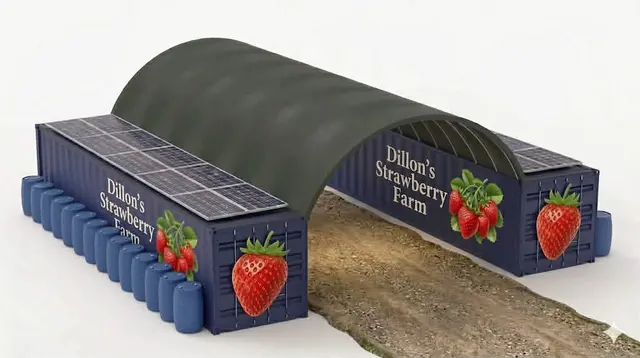
Powered in part by on-site solar
We operate a 20kWp solar PV array supplying electricity to our vertical farming operations. 'Solar-powered' means partially solar — we will never claim 100% solar unless time-matched evidence supports it. Evidence: generation monitoring data and electricity consumption records.
We will collect rain water
Irrigated with harvested rainwater
'Rainwater-fed' means rainwater is used as an input to our irrigation system and may be supplemented during low rainfall periods. We will not claim exclusive rainwater use without full substantiation. Evidence: collection records, irrigation logs, and water reuse data.
Zero landfill
Organic waste converted to plant nutrients
Farm waste and plant by-products are processed through a closed-loop bio-conversion system, reducing reliance on synthetic fertilisers and diverting organic matter from landfill. Evidence: waste processing logs and nutrient conversion records.
100% Pesticide-free
No synthetic chemical pesticides used during cultivation
We do not apply synthetic chemical pesticides to our strawberry plants during cultivation and harvest. This relates to on-farm practices only and does not imply residue-free unless supported by batch-specific testing. Evidence: input logs, purchase records, and pest management SOPs.
Zero Food Miles & Low Carbon — What We Mean
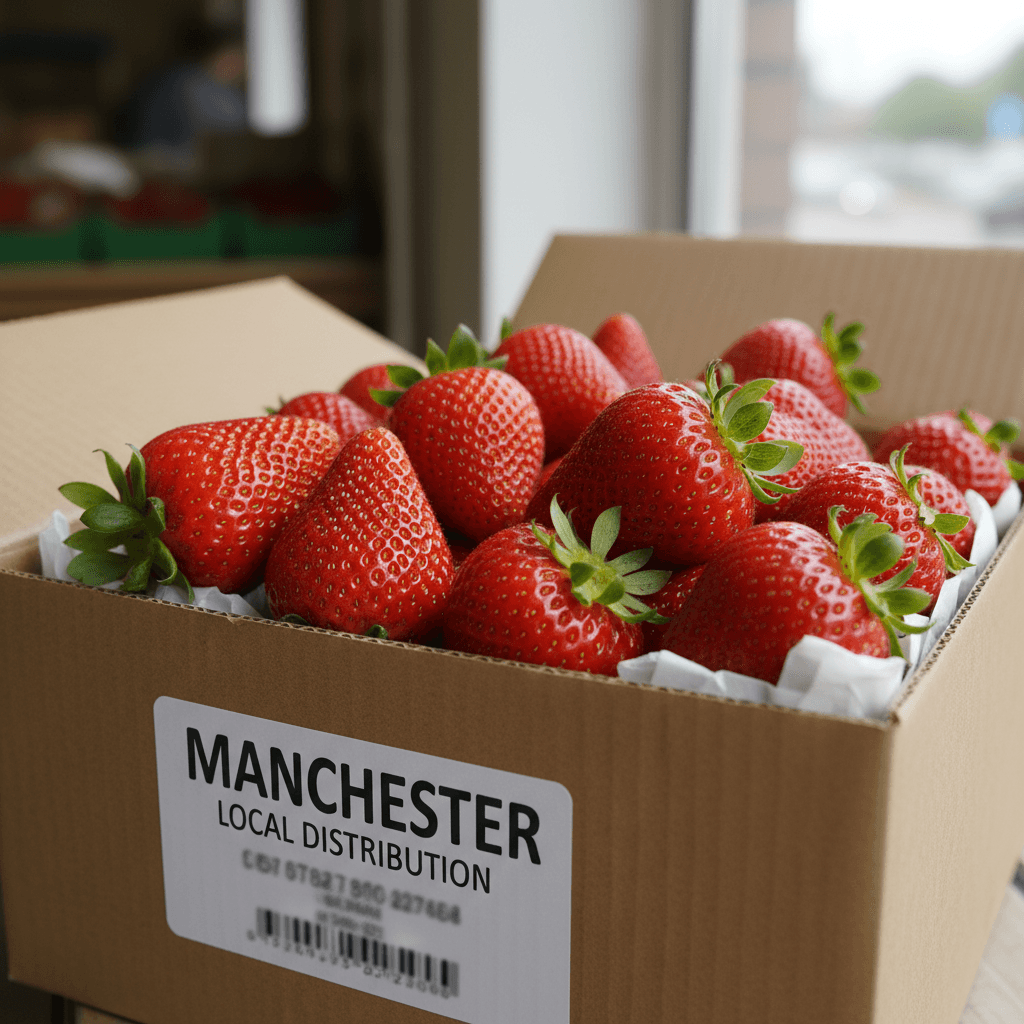
'Zero Food Miles (Manchester)' is our shorthand for direct farm-to-customer delivery with no long-haul distribution network. Any delivery involves some travel — we never imply literal zero transport distance or zero emissions. Deliveries to Manchester customers come direct from our farm.
Zero Food Miles (Manchester)
Delivered direct to Manchester customers from our farm — no import shipping, no multi-stage national distribution. Qualifier: some delivery travel is involved; this claim is limited to Manchester deliveries only.
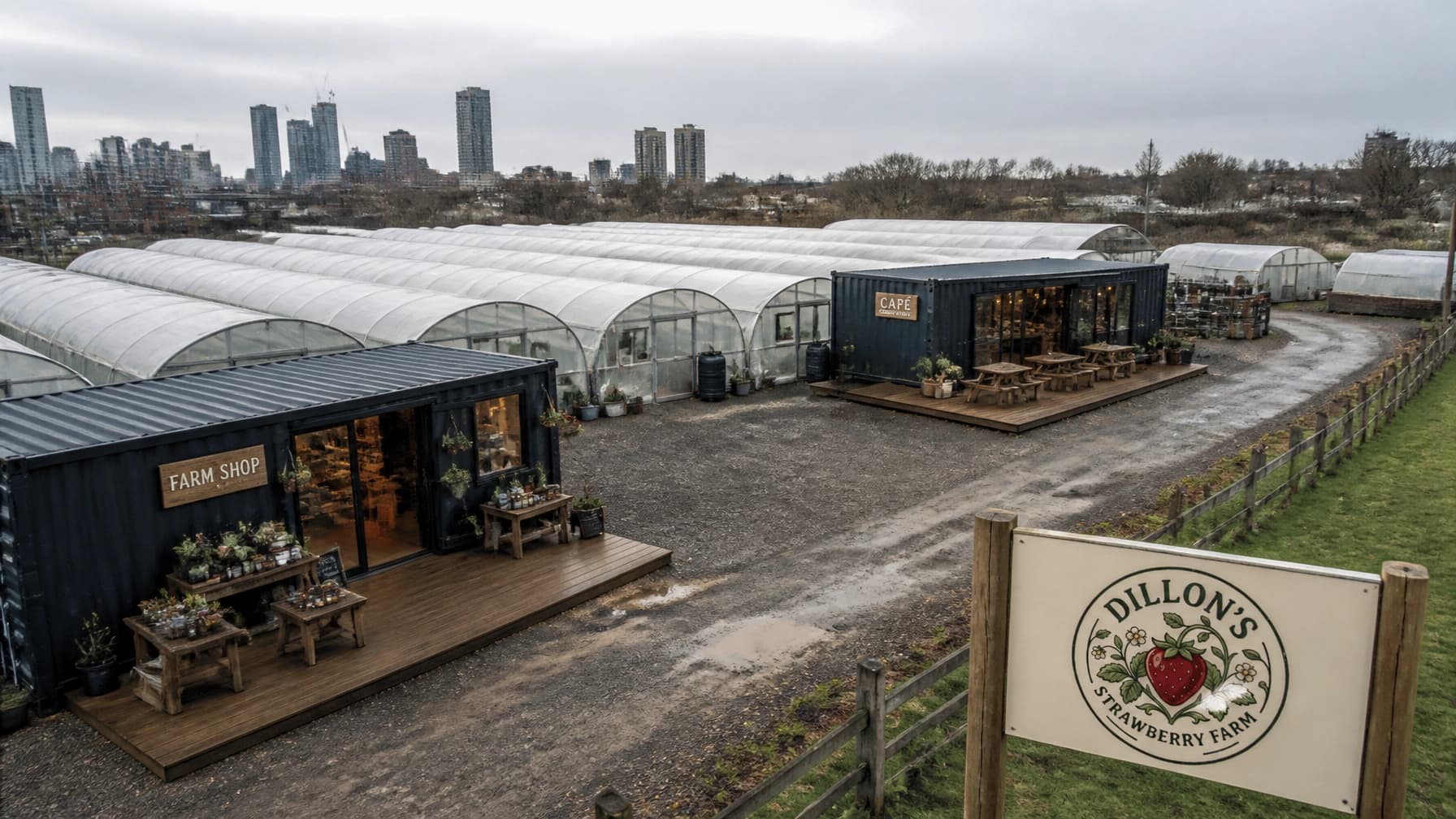
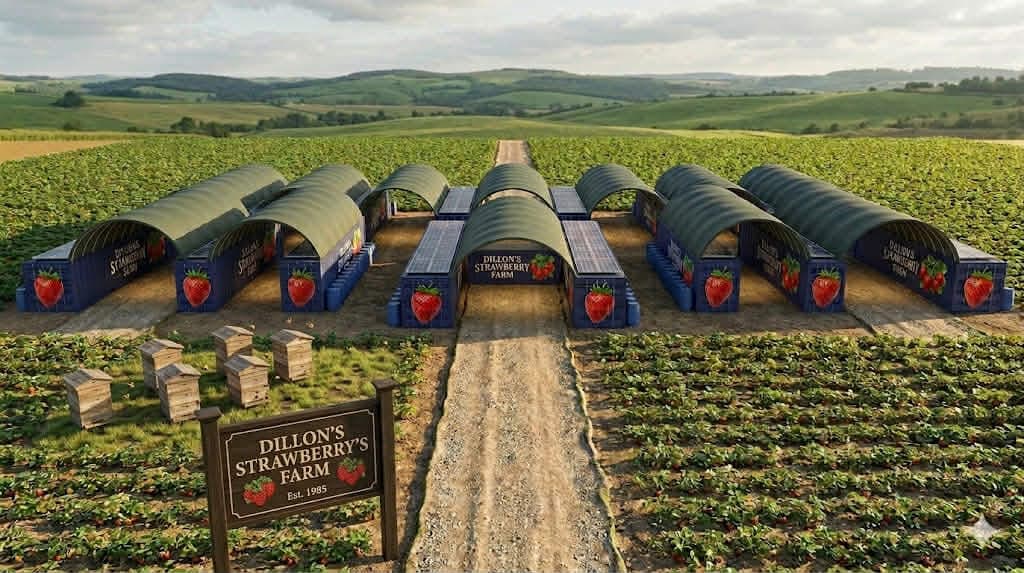
Powered in part by solar
On-site 20kWp solar PV array reduces grid dependency. We say 'solar-powered' or 'powered in part by solar' — never '100% solar' unless supported by time-matched evidence for that period.
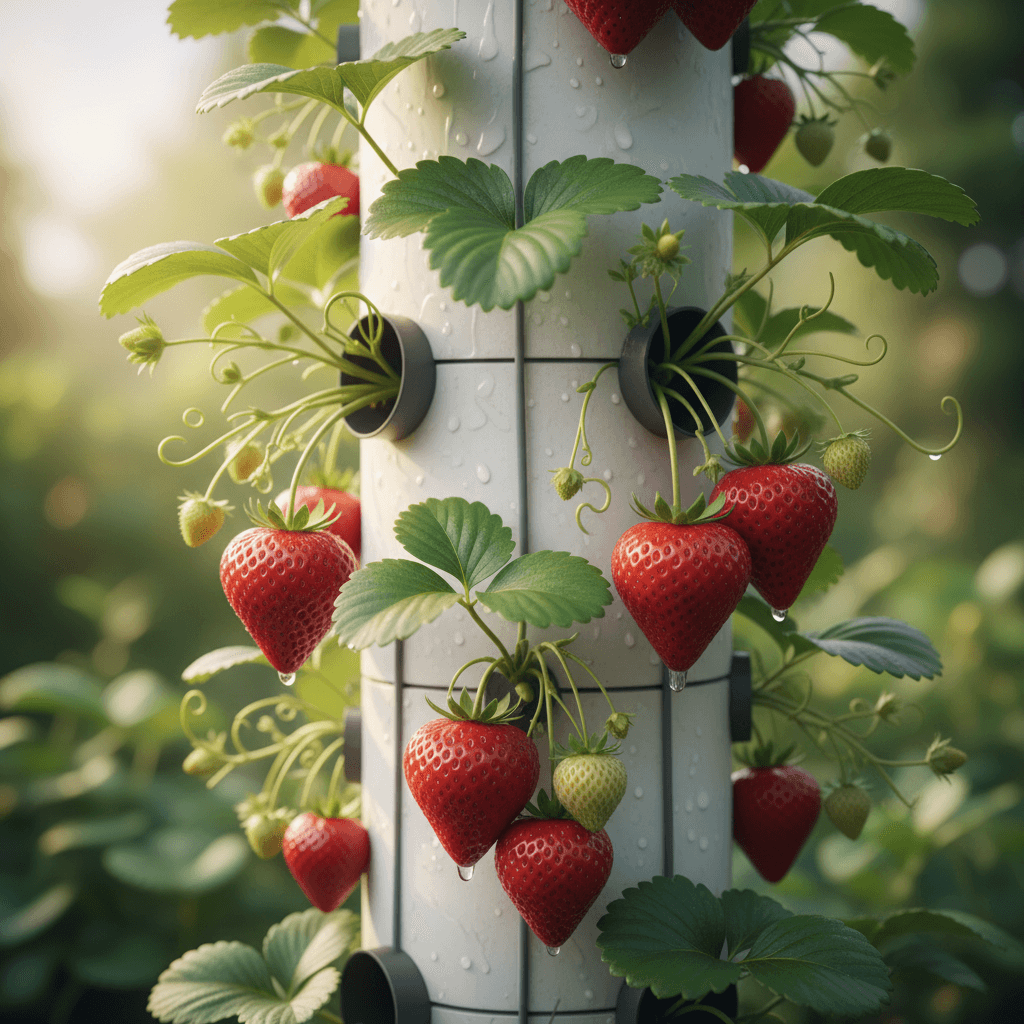
Rainwater-fed irrigation
Rainwater is harvested and used within our hydroponic tower system, alongside recycled irrigation water. May be supplemented during low rainfall periods. We do not claim exclusive rainwater use without full evidence.
Pesticide-free cultivation
No synthetic chemical pesticides are applied during cultivation and harvest at Dillon's. Biological controls and physical barriers are used instead. This claim relates to on-farm practices and does not imply residue-free without batch testing.
Closed-loop waste management
Organic farm waste and plant by-products are converted into plant nutrients through a bio-conversion process. This diverts organic matter from landfill and reduces reliance on synthetic fertilisers.
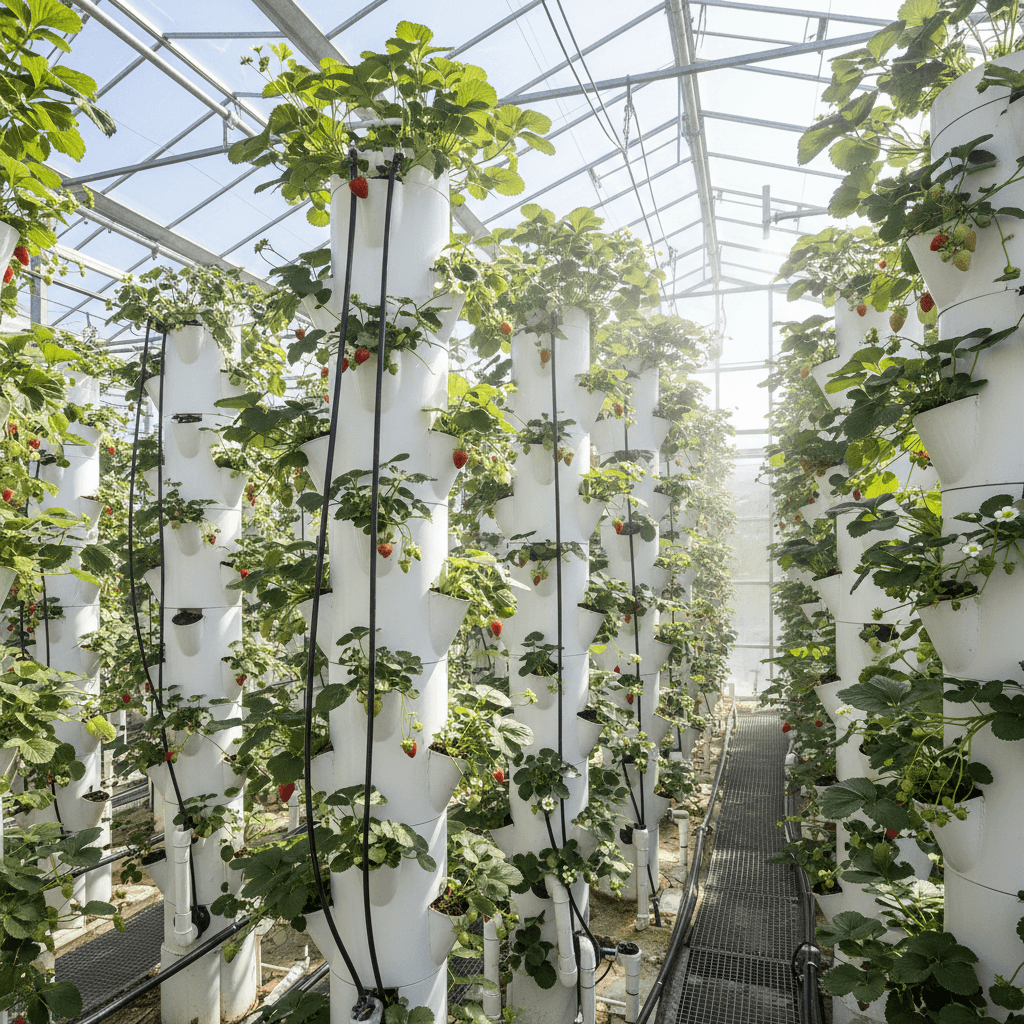
Low carbon footprint
Our low carbon positioning is based on renewable energy use, vertical space efficiency (reducing land-use change), and localised distribution. We are actively measuring carbon intensity to further substantiate and reduce our footprint.
Spread the word about sustainable farming
Help us reach more people who care about sustainable strawberry farming. Share Dillon's Strawberry Farm Ltd with your network.