
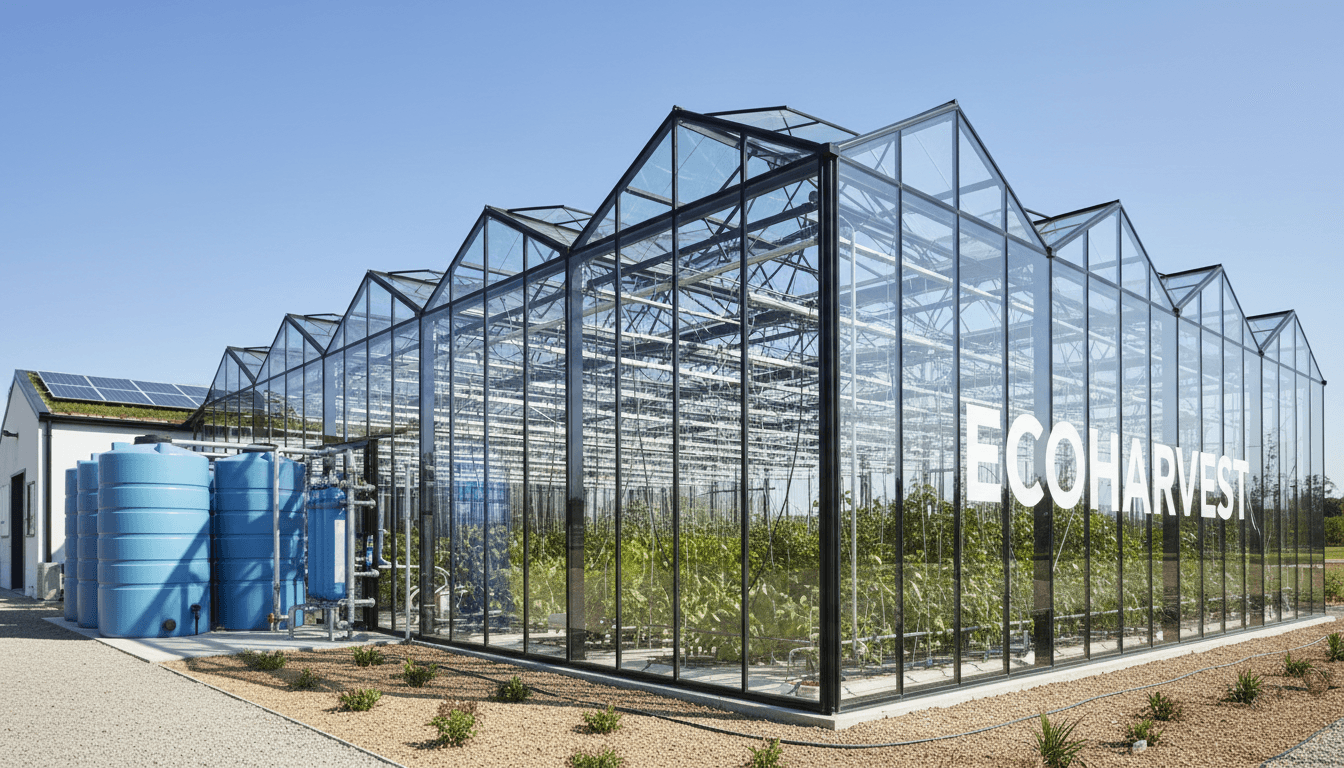
Water-smart farming for a greener future
Dillon's Strawberry farm in Manchester uses rainwater harvesting and closed-loop drip irrigation to cut water waste and grow better strawberries.
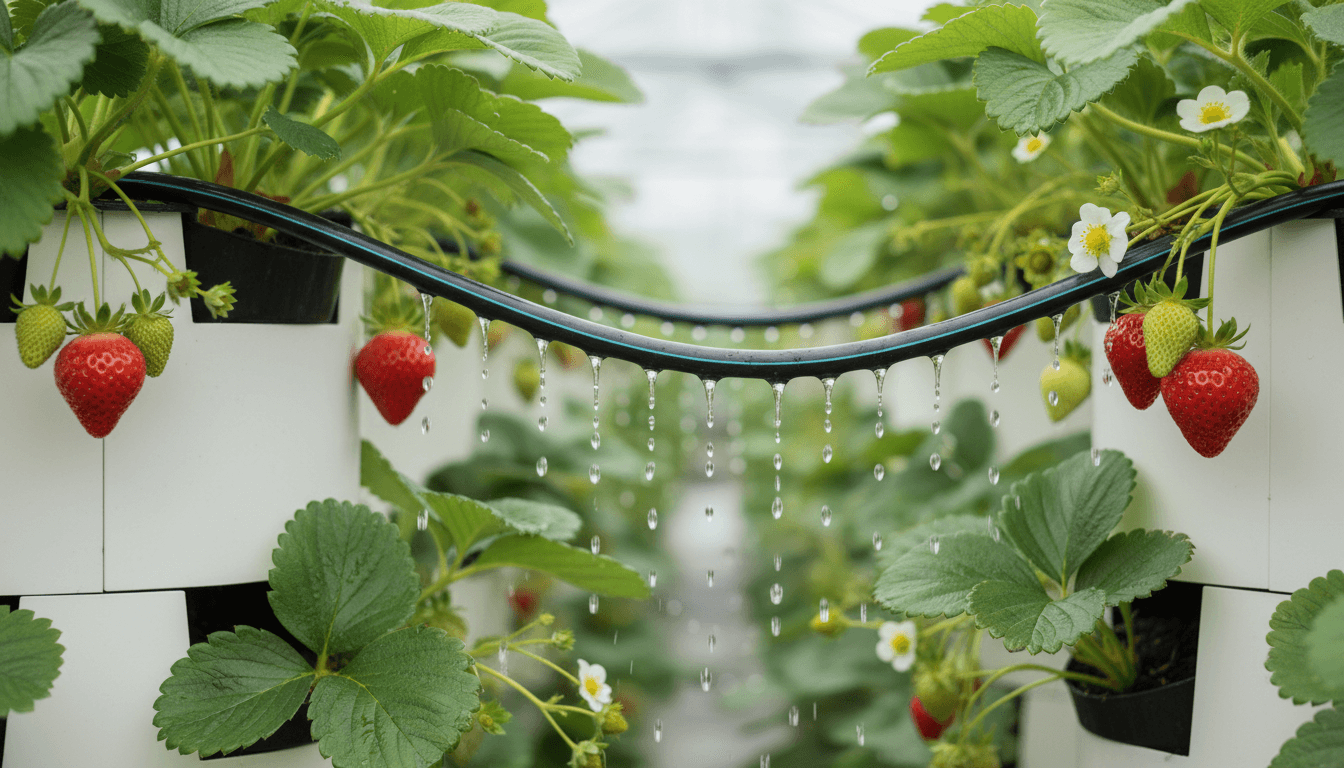
437,000 litres harvested. Zero water bills.
The Solar-Berry Hub captures 437,000 litres of rainwater per year, filtered through RO + UV treatment and recirculated in a closed-loop system. No mains water. No water bills. A permanently flat overhead.
85%
Water saved annually
Compared to traditional open-field strawberry farming methods using surface irrigation.
437K
Litres harvested yearly
437,000 litres of rainwater captured annually via the Solar-Berry Hub's harvesting system. RO + UV filtered and recirculated — zero mains water dependency.
£0
Annual water bill
The Solar-Berry Hub runs entirely on harvested rainwater. Mains water bills are fully eliminated — a structural operational advantage at every scale.
100%
Water recycled in system
Dillon's Strawberry Farm recirculates every drop through nutrient filtration and UV/RO treatment.
Six ways our water management system delivers real results
Our rainwater harvesting and closed-loop drip irrigation reduce water waste, cut costs, and boost crop performance. See how Dillon's Strawberry Farm achieves sustainable growth.
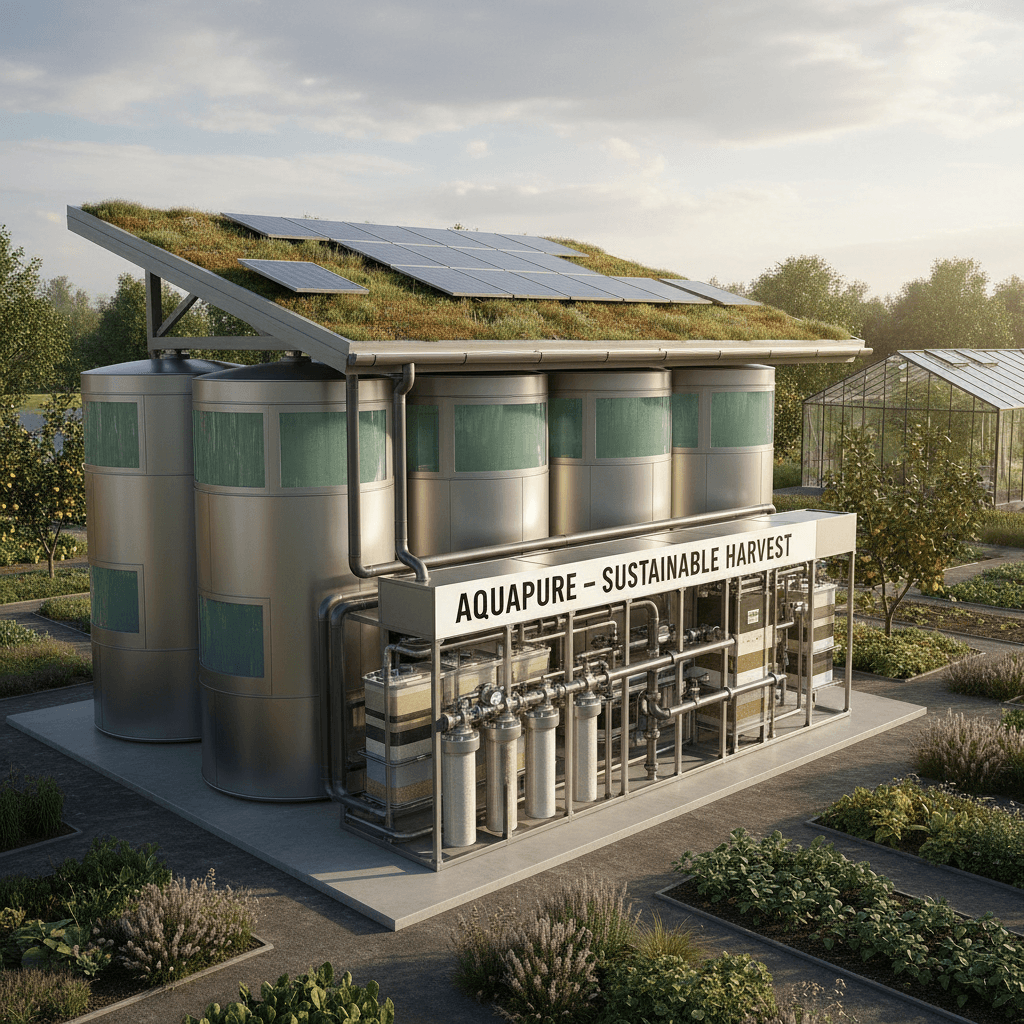
Reduced water consumption
Capture and recycle rainwater to cut overall water use by up to 90% compared to traditional farming methods.
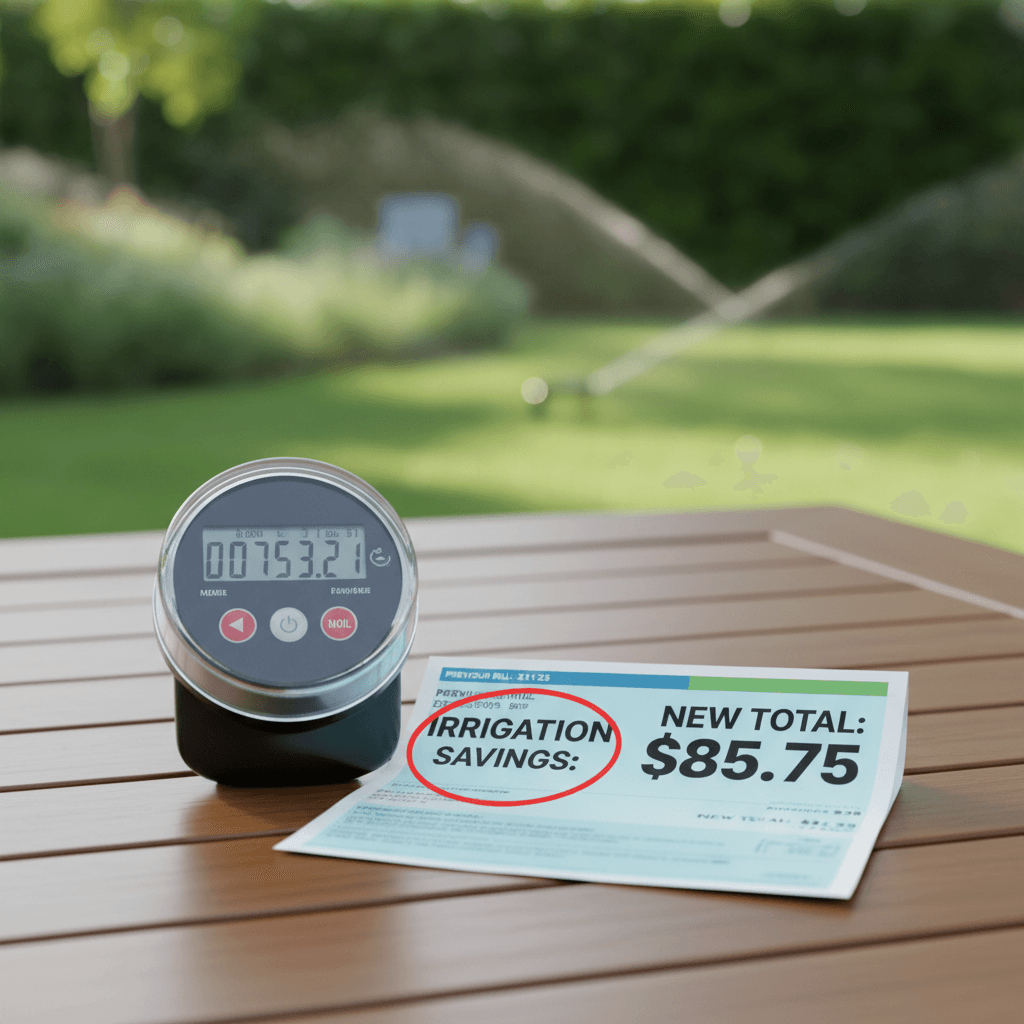
Lower water bills
Use less mains water, save money on utility bills, and improve your bottom line every single month.
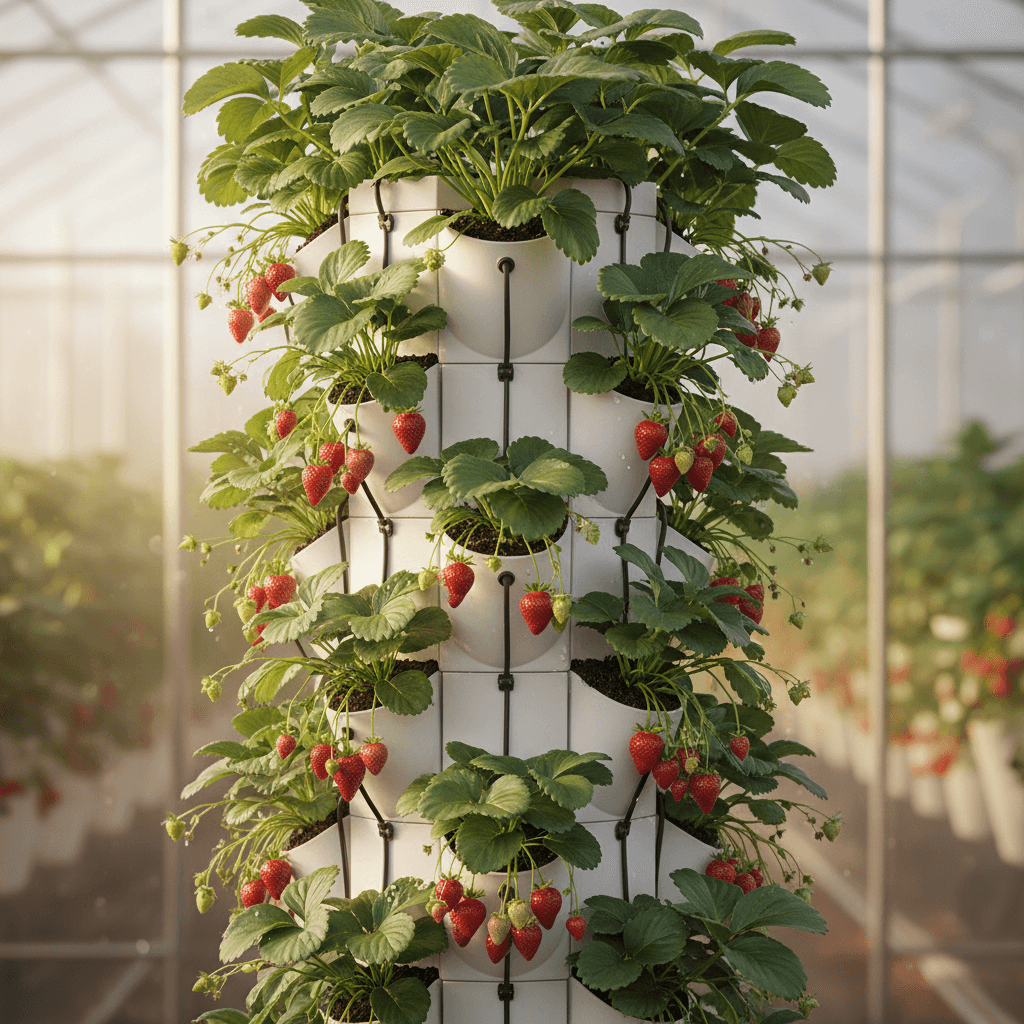
Improved crop yields
Precise drip irrigation delivers water exactly where plants need it, resulting in healthier strawberries and higher harvests.
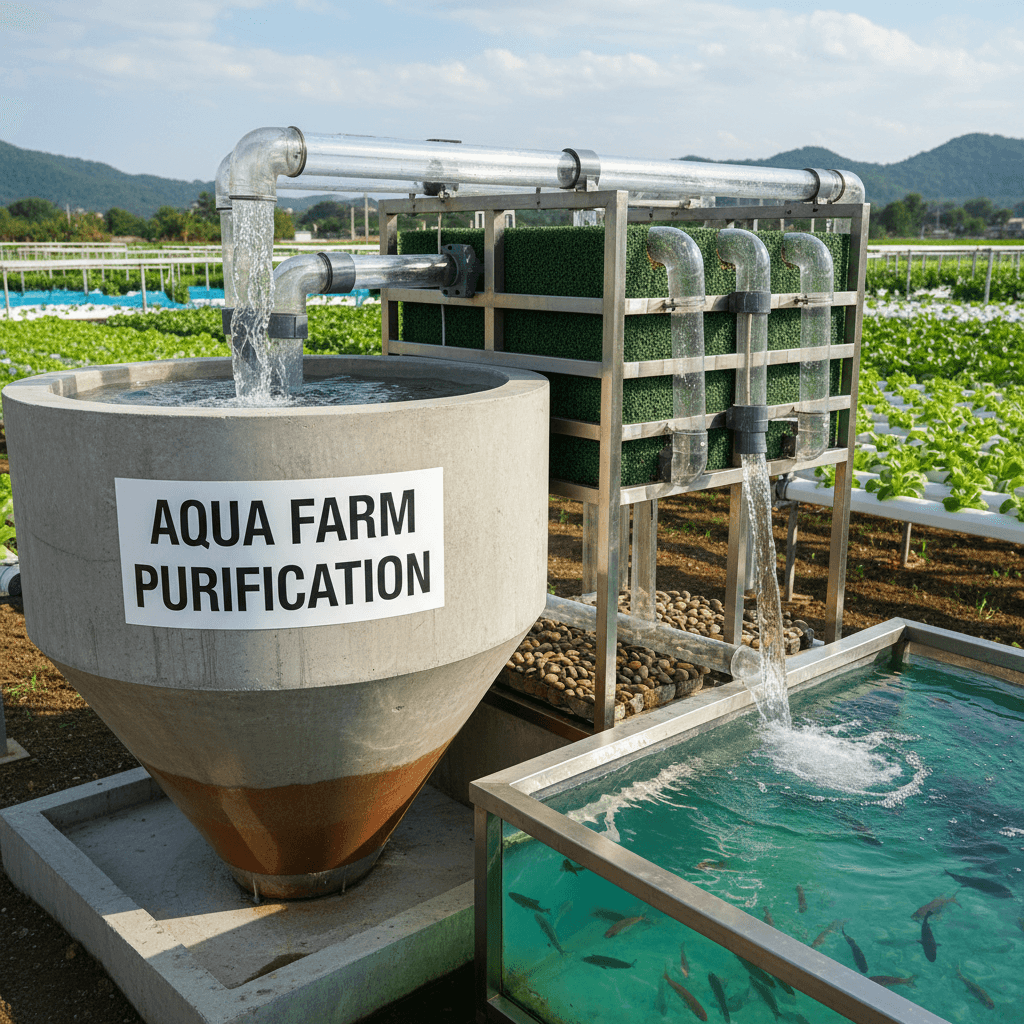
Consistent nutrient delivery
Closed-loop system ensures nutrients stay in the water cycle, strengthening plant growth and crop quality.
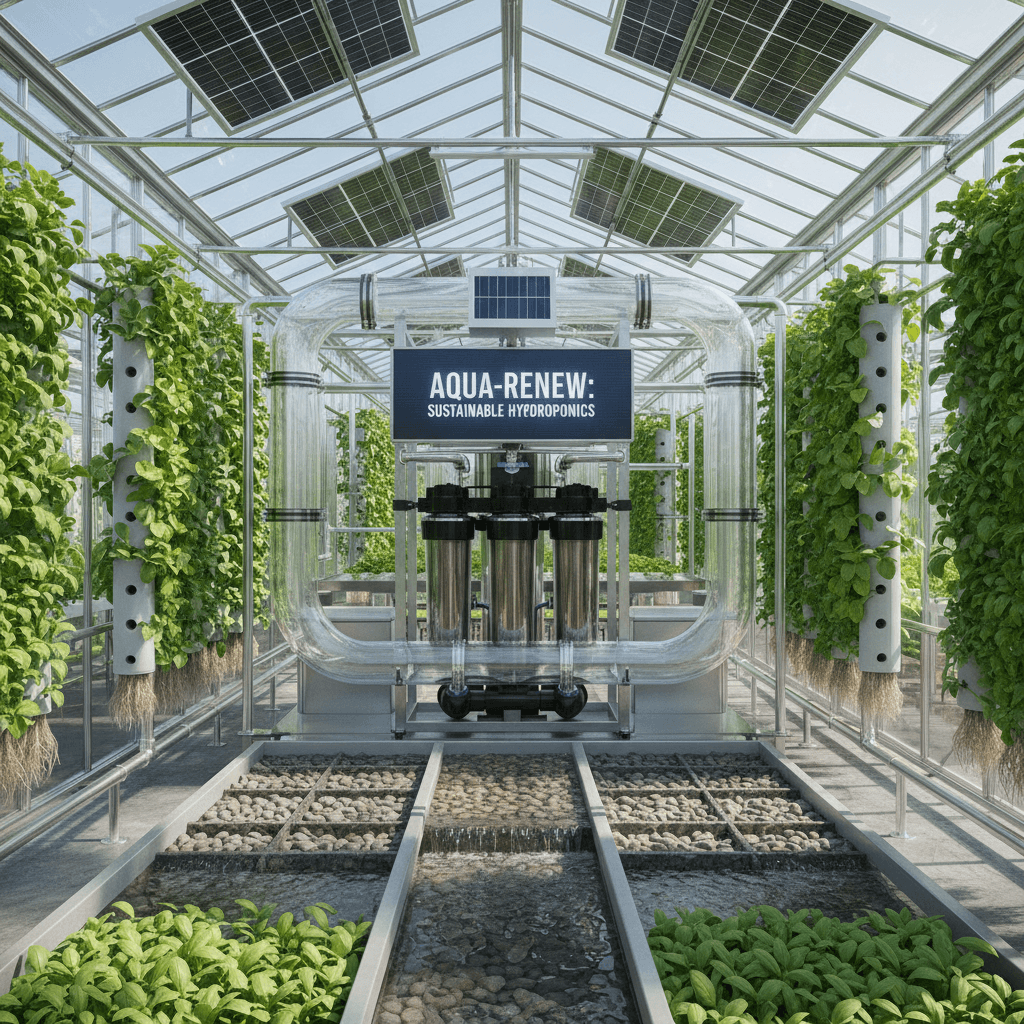
Minimal environmental impact
No chemical runoff. No wasted water. Just sustainable farming that respects the land and local ecosystems.
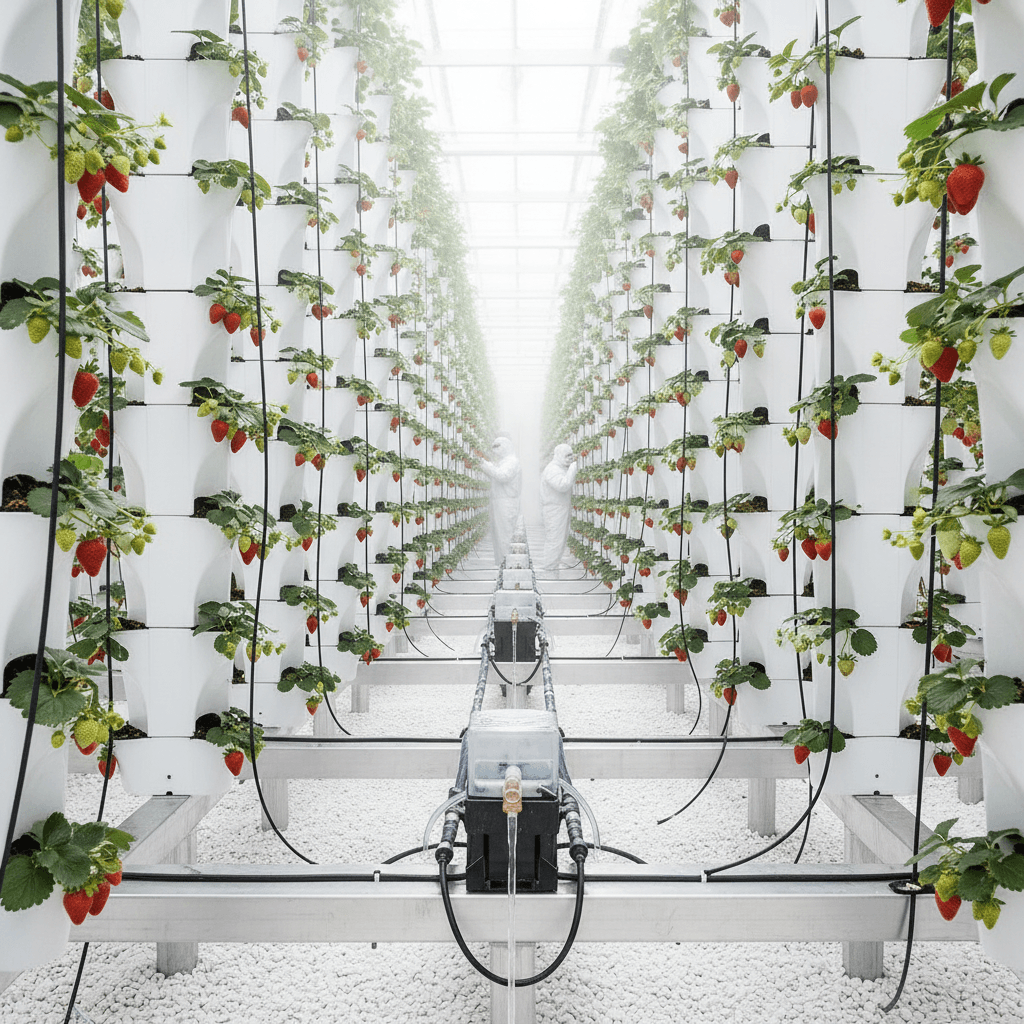
Scalable and reliable
Start small or grow big. Our water management system adapts to your farm size and operation needs.
Three-stage water system that cuts waste and maximizes reuse
Rainwater feeds into our harvesting tanks, flows through UV and RO filtration, then powers our closed-loop drip irrigation. Every drop is recirculated and filtered, reducing consumption while keeping plants perfectly hydrated.
Running Towers Without a Pump — Five Methods
You can absolutely run vertical towers without an electric pump. Here are five methods suited to UK growers who want to save on electricity and maintenance. --- **1. Gravity Feed System (Top Down)** Place a large water tank or barrel higher than the top of the towers (on a stand or pallet). Run a pipe from the tank down to the top pot of the tower. Water trickles down through each layer by gravity, feeding all plants, and collects in the base bucket. - **Cost:** £20–£50 for tank, stand, and tubing - **Pros:** Zero electricity, very reliable - **Cons:** Needs refilling manually or via a float valve connected to mains --- **2. Manual Top-Up Method** Simply pour the nutrient water into the very top pot using a watering can or bucket. Let it drain down through all the layers to the bottom reservoir. Do this 2–3 times per day depending on weather. - **Cost:** £0 - **Pros:** Simple, no equipment needed - **Cons:** Labour intensive, easy to forget --- **3. Drip Line from Mains Water** Connect a mains water line (with a pressure reducer) directly to the top of the tower using a timer. Add liquid fertiliser manually to the water or use a doser unit. Set timer to water little and often. - **Cost:** £30–£80 for timer, filter, and regulator - **Pros:** Automated, no pump to fail - **Cons:** Needs mains water supply nearby --- **4. Siphon System** Fill the base reservoir, then create a siphon tube that pulls water up and over to the top pot. Once started, it will keep running until the water level drops below the intake. - **Cost:** £5–£10 for tube and fittings - **Pros:** Uses no power, moves water from bottom to top - **Cons:** Needs priming each time, flow rate can be slow --- **Tip for Strawberries:** Whichever method you choose, make sure the flow is slow and steady so the roots have time to absorb the water and nutrients. You can also add a small amount of perlite or clay pebbles to each growing pot to help hold moisture between feeds.
Gravity Feed System — Build Guide & Diagram
**System Diagram (No Drains)** ``` [ MAIN WATER TANK ] (High Up) | [ MAIN FILTER ] | [ MAIN FEED PIPE ] _________|__________ | | [SIDE PIPE A] [SIDE PIPE B] |__|__|__| |__|__|__| [T1][T2][T..] [T..][T..][Txx] | | | | v v v v [ DRAINS ONTO ] [ DRAINS ONTO ] [ FLOOR / POT ] [ FLOOR / POT ] ``` --- **How to Build It** **1. The Stand** Build or buy a stand that puts the bottom of your water tank higher than the very top pot of the tower. Height needed: usually 1.5m–2m tall is enough to get good flow. Materials: use wooden pallets stacked, scaffolding, or metal legs. **2. The Tank** Use a large water butt or IBC tank (100L–1,000L). Fit a bulkhead fitting at the very bottom so water can drain out. **3. The Pipes** Run 13mm or 19mm tubing from the tank down to the tower. Add a tap/valve so you can slow the water down to a gentle trickle. Important: put a filter in the line so dirt doesn't block the holes in the pots. **4. The Flow** Open the valve. Water flows into the top pot, fills it, then overflows/drains down to the one below. This continues all the way to the bottom bucket. Once the bottom bucket is full you can either leave it or syphon it back into the main tank manually to save water. --- **Shopping List** | Item | Notes | |---|---| | Water Tank / Water Butt | 100L–1,000L IBC or butt | | Strong Stand or Pallets | Must raise tank above top pot | | Hose Pipe (13mm or 19mm) | From tank to tower top | | Tap / Valve | Controls flow rate | | Filter | Prevents blockages in the pots | | Fittings / Clips | Secure all connections | **Total estimated cost: £20–£50** --- **Important Tips** - **Flow Rate:** You want it slow, like a dripping tap. If it's too fast, the water shoots straight through without feeding the roots. - **Nutrients:** Mix your liquid fertiliser directly into the top tank. - **Rainwater:** If you can, connect your gutters to the top tank to save even more money.
Cost Breakdown by Scale — No Drains Plan
**Important Notes for the No-Drains Plan** **Floor Surface:** Ideally lay down gravel, shingle, or concrete so the floor doesn't turn to mud when water drips constantly. Or put a small bucket/tray under each tower base to catch the run-off. **Water Waste:** Without drains, you cannot easily collect the nutrient water to reuse it. You will use slightly more water and fertiliser, but you save thousands on drainage installation. **Hygiene:** Keep the aisles clean. Standing water can attract slugs or snails. --- **1. 100 Towers** *Space needed: approx 0.25 – 0.4 acres* | Item | Description | Estimated Cost | |---|---|---| | Tank & Stand | 1,000L IBC + Strong Stand | £600 – £900 | | Pipework | Main line + 100 × feeder tubes | £1,200 – £1,800 | | Installation | Labour & Fittings | £800 – £1,200 | | **TOTAL** | | **£2,600 – £3,900** | --- **2. 500 Towers** *Space needed: approx 1.5 – 2 acres* | Item | Description | Estimated Cost | |---|---|---| | Tank & Stand | 5,000L Tank + Raised Platform | £1,500 – £2,200 | | Pipework | Larger mains + 500 × feeds | £4,500 – £6,000 | | Installation | Labour & Fittings | £3,000 – £4,500 | | **TOTAL** | | **£9,000 – £12,700** | --- **3. 1,000 Towers** *Space needed: approx 3 – 4 acres* | Item | Description | Estimated Cost | |---|---|---| | Tank & Stand | 10,000L Tank + Concrete Base | £3,000 – £4,500 | | Pipework | 32mm/40mm mains + 1,000 feeds | £8,000 – £11,000 | | Installation | Labour & Project Management | £5,000 – £7,500 | | **TOTAL** | | **£16,000 – £23,000** | --- **4. 5,000 Towers** *Space needed: approx 15 – 20 acres* | Item | Description | Estimated Cost | |---|---|---| | Water Storage | 2 × 10,000L Tanks + High Stands | £8,000 – £12,000 | | Pipework | Networked ring main system | £35,000 – £45,000 | | Control System | Valves, Sensors | £3,000 – £5,000 | | Installation | Professional Install | £20,000 – £30,000 | | **TOTAL** | | **£66,000 – £92,000** | --- *All figures are estimates only. Costs vary depending on site conditions, UK supplier pricing, and whether gravity feed or a pump system is used. Not financial advice.*
Closing the loop on nutrients and waste
At Dillon's Strawberry Farm, we recycle nutrients instead of wasting them. Our nutrient settling tank captures solids from the water, and our Oase BioTec Grass-Tea bio-filtration system naturally breaks down waste. This means cleaner water, healthier plants, and minimal environmental impact.
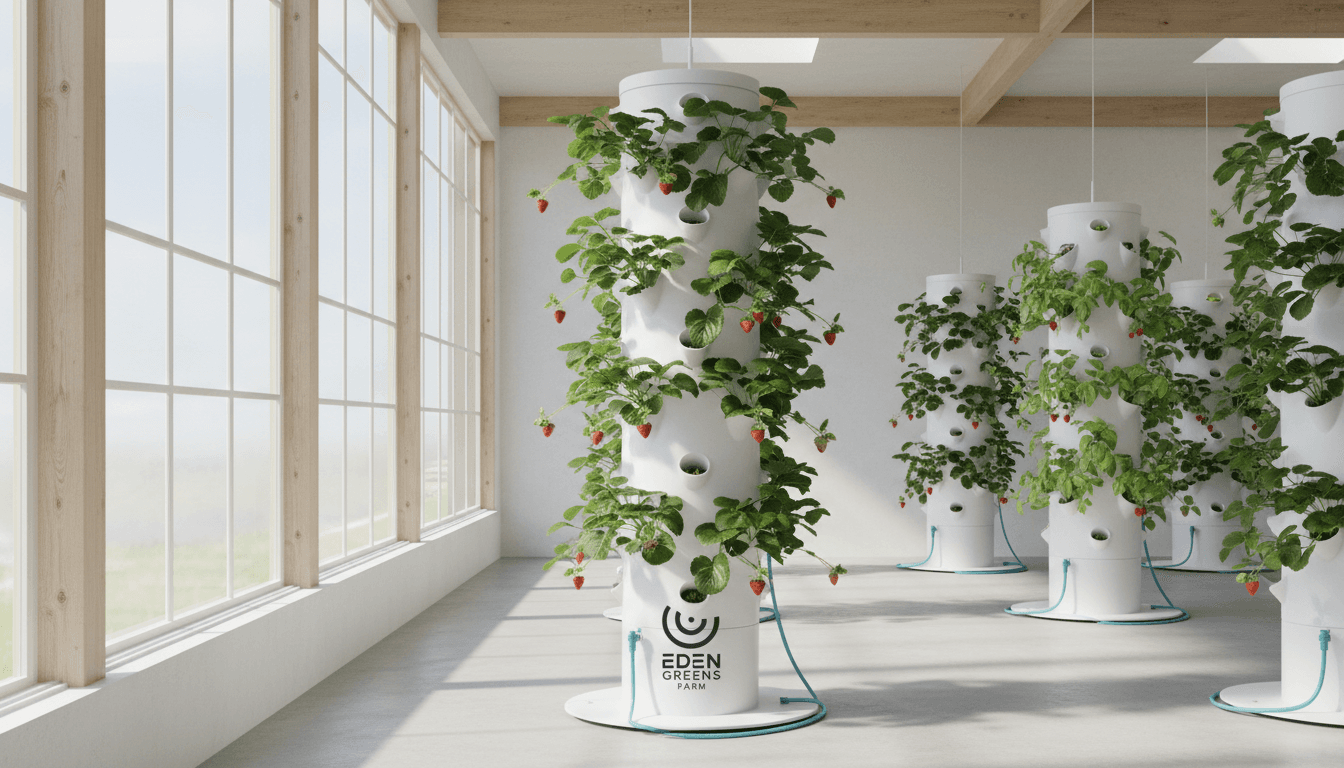
Sponsor a grow tower and help us grow sustainably
Your sponsorship directly supports Dillon's Strawberry Farm's water-efficient practices. Help us expand sustainable farming in Manchester.
Help us grow sustainable farming across the UK
Share Dillon's Strawberry Farm's water management story on social media. Show others how smart farming protects our planet.